


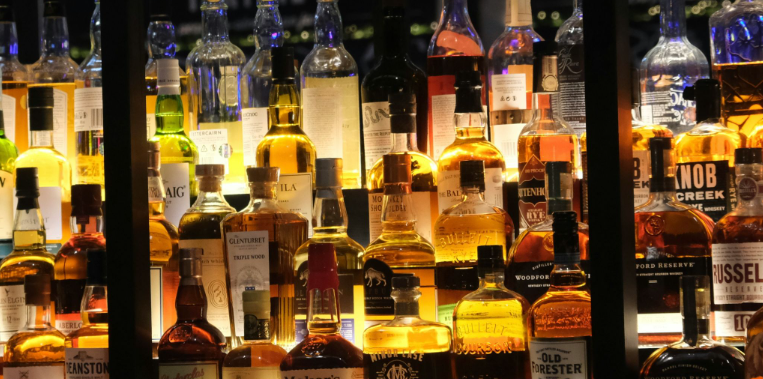
For any food and beverage operation planning to serve alcohol, liquor licensing is one of the most complex and consequential steps in the business setup process. Getting it right from the start saves time, money, and significant legal headaches down the road.
Liquor license types vary significantly by state, county, and municipality. A beer and wine license, a full liquor license, a catering license, and a private club license all carry different permissions, restrictions, and price tags. Understanding exactly what type of license your operation needs before beginning the application process is essential.
The application process itself can be lengthy and demanding. Most jurisdictions require background checks on all owners, a detailed floor plan of the premises, a description of the business concept, proof of insurance, and various filing fees. Processing times can range from a few weeks to several months depending on your location.
Common mistakes that delay or derail applications include incomplete paperwork, zoning conflicts, proximity to schools or churches, and outstanding issues with local building permits. Working with a licensed liquor licensing consultant or attorney who specializes in your local market can dramatically smooth this process.
Ongoing compliance is just as important as the initial license. Serving minors, violating hours of operation, or failing to renew your license on time can result in fines, suspension, or permanent revocation. Training your staff on responsible alcohol service practices and maintaining meticulous compliance records protects your license and your business. Plan for licensing early and always get expert help.

0 Comments
No comments yet. Be the first to comment!